
Mobile Satellite Internet Australia & New Zealand for Enterprise Operations
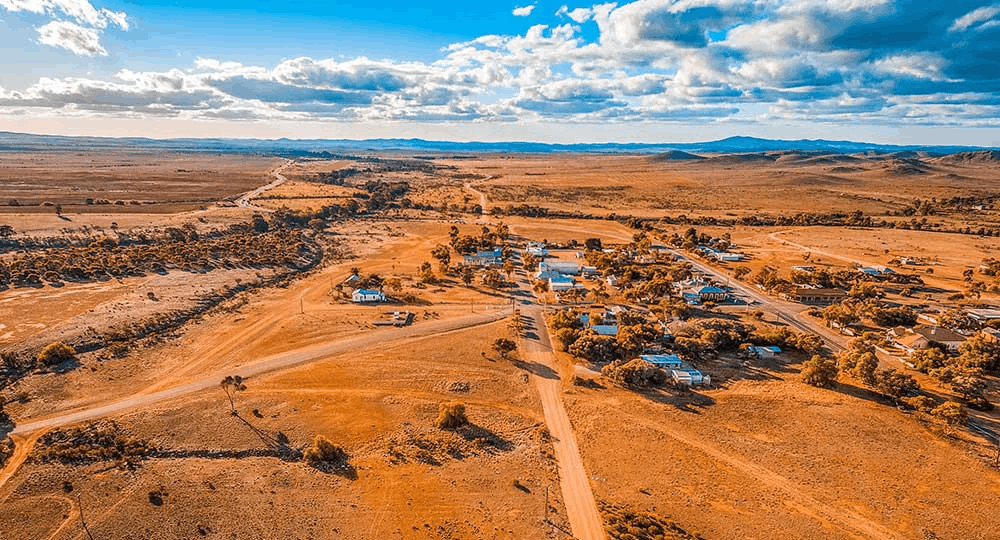
Unlock new horizons in mobile satellite internet connectivity with Sat.One's global high-speed coverage and low-latency Low-Earth-Orbit (LEO) network, engineered to connect the unconnected across Australia and New Zealand's most remote locations. Whether you operate in mining, transportation, emergency services, agriculture, construction, or defence, our enterprise-grade satellite internet keeps your teams online anywhere on Earth even where terrestrial mobile networks stop.

.png)
What Is Mobile Satellite Internet?
Mobile satellite internet is a wireless connectivity service delivered via Low-Earth-Orbit (LEO) or geostationary satellite networks rather than fixed cables or cell towers. Unlike fixed satellite internet, which relies on a stationary dish bolted to a building, mobile satellite internet uses compact, ruggedised antennas designed to maintain a connection while a vehicle, vessel, or team is on the move. For enterprises operating across Australia and New Zealand's vast and often unconnected terrain, it is the difference between a project that stalls the moment it leaves mobile coverage and one that stays online from the mine face to the highway.
How Mobile Satellite Internet Works
A compact flat-panel or VSAT-style antenna tracks a constellation of LEO satellites orbiting roughly 550km above Earth, relaying data to and from ground stations in milliseconds. Because these satellites sit so much closer to Earth than the geostationary satellite networks used by older VSAT, Inmarsat, and Iridium systems, latency drops from the 600+ millisecond delay typical of legacy satellite connections to figures closer to home broadband enough for video calls, cloud applications, and real-time IoT telemetry.
.png)
.png)
Mobile Satellite Internet vs Fixed Satellite Internet
Fixed satellite internet plans, such as NBN Sky Muster, are built for a single, permanent address. Mobile satellite internet solves the opposite problem: connectivity that travels with a vehicle, site, or response team. If your operation has one location, fixed internet is usually the cheaper option. If it does not a mine that moves, a fleet that drives, a response team that deploys mobile satellite internet is the option that works. Many enterprises in Australia and New Zealand end up running both: a fixed satellite internet link at head office, and a mobile satellite internet fleet for everything that leaves the building.
Industries We Serve at a Glance

Key Benefits of Mobile Satellite Internet for Enterprise Teams
High-speed internet on the move: stay connected at broadband-comparable speeds while a vehicle, vessel, or team relocates, not just at a fixed address.
Rapid deployment: terminals are operational within minutes of arriving on site, with no trenching or carrier lead time.
Resilience in a disaster: when terrestrial towers go down in a bushfire, flood, or storm, a satellite network connection keeps working.
Built for harsh conditions: terminals are engineered for dust, vibration, heat, and the remote power constraints typical of mining, agriculture, and construction sites.
Scales with the fleet: add a single terminal or roll out across an entire fleet without renegotiating fixed-line contracts site by site.
IoT and telemetry ready: supports real-time data from sensors, trackers, and autonomous machinery operating beyond mobile coverage.
Connection everywhere on the move
In the vast and varied landscapes of Australia and New Zealand, where terrestrial network sreach their limits, Sat.One is innovating broad-band speeds in Enterprise-grade low-earth-orbit mobile satellite internet solutions engineered for mobility and resilience. Our satellite solutions offer rapid deployment, ensuring your enterprise thrives with reliable connectivity in even the most isolated or transient locations. Embrace the future of connectivity with our flexible, scalable solutions that empower real-time decision-making, analytics, and IoT applications, driving performance and efficiency across your operations.


Connectivity Deep in the Mines
Enable real-time data transmission and enhance safety in remote mining operations with mobile satellite internet built for Australia's and New Zealand's most secluded mining sites. From autonomous haul-truck telemetry to worker safety check-ins, a stable satellite network connection means supervisors above ground see what is happening below ground in real time, not after the next scheduled sync. SAT.ONE 's terminals are built to survive dust, vibration, and the remote power constraints typical of an active mine site, so connectivity does not become another point of failure. As mine sites expand or relocate pits, mobile satellite internet scales with them; there is no trenching, no fixed-line contract renegotiation, and no waiting on a carrier's rollout schedule.

Reliable Connectivity for Emergency Services
Support first responders with instant, reliable communication, critical during emergency operations. Our mobile satellite internet helps emergency services stay connected wherever their mission takes them, including bushfire, flood, and natural-disaster zones where terrestrial towers are often the first infrastructure to go down. A satellite wifi hotspot in a command vehicle gives incident commanders the same situational picture in the field as they would have back at base. Because deployment takes minutes rather than days, mobile satellite internet can stand up a working command post in the same window in which an emergency unfolds, not after it.

Keeping Transportation Networks Connected
Ensure continuous communication and tracking for transportation networks across vast and remote areas. Mobile satellite internet provides the backbone for reliable connectivity essential to logistics and fleet management, covering the long, mobile-blackspot stretches between cities where fixed networks and even most mobile carriers cannot reach. Live vehicle tracking, driver communication, and cargo monitoring stay online for the full length of a route, not just the sections that pass through mobile coverage.

Building Connections on the Go
Facilitate instant communication and data exchange across construction sites, regardless of location. SAT.ONE supports the construction industry's need for robust connectivity in evolving and remote environments, from early-stage sites with no fixed infrastructure to mobile site offices that relocate as a project progresses. Project management software, video calls with head office, and supplier ordering systems all keep working from day one of a build, well before any fixed line is installed.

Advancing Agriculture with Connectivity
Empower agricultural operations with real-time data and IoT capabilities, enhancing productivity and decision-making even on the most remote farmlands of Australia and New Zealand. Soil sensors, livestock trackers, and autonomous machinery all depend on a connection that does not drop the moment equipment moves past the property's mobile coverage. Across a station that spans tens of thousands of hectares, a single fixed connection at the homestead is rarely enough mobile satellite internet follows the equipment to the paddock instead.

Strategic Connectivity for Defence Operations
Empower defence forces with secure, reliable, rapid-deployment communication, ensuring uninterrupted connectivity in critical missions across Australia and New Zealand's diverse terrain. Sat.One's network supports strategic operations, real-time coordination, and enhanced situational awareness essential for national security. Terminals can be deployed alongside personnel and equipment as missions move, rather than tying communications to a single fixed installation.
Why Enterprises Choose Sat.One for Field Connectivity
Rapid deployment: terminals operational in minutes, not days
Built for harsh conditions: dust, vibration, heat, and remote power
Scales with the fleet: from a single vehicle to a national rollout
Backed by local support across Australia and New Zealand
Sat.One vs Fixed Satellite & Legacy Networks
Older satellite technologies, including VSAT, Iridium, Inmarsat, BGAN, and Thuraya, built the satellite-to-mobile category long before LEO networks existed, and NBN's Sky Muster, available through resellers such as SkyMesh, still serves fixed rural addresses well. But geostationary satellite networks orbit roughly seventy times further from Earth than LEO, which means higher latency and lower throughput. For real-time applications such as IoT telemetry, video calls, and live fleet tracking, Sat.One's LEO-based mobile satellite internet delivers materially better performance than legacy fixed or geostationary alternatives.
Mobile Satellite Internet Plans & Costs in Australia
Mobile satellite internet plans vary by data allowance, speed tier, and contract length, from short-term, by-the-day deployment for emergency response to ongoing enterprise plans covering an entire fleet. Costs depend on the terminal selected, whether that is Intellian, Kymeta, or Inster, the number of units required, and whether the deployment is temporary or permanent. Because every enterprise rollout differs in site count, terrain, required Mbps, and accessories such as vehicle-mount kits or backup modems, Sat.One prepares a tailored quote rather than a one-size-fits-all price list. Contact our team for a plan and cost breakdown specific to your fleet size and use case.
A typical enterprise plan conversation covers: the number of vehicles or sites needing a terminal, expected data usage per site, whether the deployment is permanent or short-term, and any redundancy requirements such as a backup modem alongside the primary satellite link. Walking through these factors upfront means the quote you receive reflects what your fleet will actually use, rather than a generic allowance that under- or over-shoots your needs.

Explore Our Range of Advanced User Terminals
Built for Australia and New Zealand's harsh and demanding conditions, our range of high-performance terminals from Intellian, Kymeta, and Inster delivers reliable, portable satellite internet connectivity across remote and mobile operations, including portable satellite internet for crews who need a terminal that fits in a vehicle or a backpack.

Intellian: Compact and Advanced
Experience Intellian's flat-panel user terminals, featuring Electronically Steered Phased Array Antennas. These compact, lightweight terminals suit operations that demand mobility and efficiency, providing reliable connectivity even across ANZ's most varied terrain. Their low profile and quick-mount design make them a strong fit for vehicles and fast-moving fleets that need to maintain a satellite network connection while in transit, not just when parked.

Kymeta: Robust Connectivity
Kymeta's user terminals are built for durability, with a ruggedised flat-panel design and Holographic Beamforming technology. Ideal for environments where durability and performance are paramount, Kymeta ensures consistent and reliable communication for demanding mobile operations. The flat, electronically steered antenna has no moving parts to fail under constant vibration, which matters on a mine site or a long-haul transport route as much as it does in the lab.

Inster: Ultimate Portability
Inster's folding, portable flat-panel terminals are a genuine option for portable satellite internet Australia-wide, easily fitting into a backpack. Designed for rapid deployment and flexibility, Inster terminals provide a versatile solution for mobile operations across ANZ's challenging conditions. For emergency response and field teams that need to set up and tear down quickly, Inster's portability means connectivity arrives with the team rather than waiting on a separately scheduled installation.
Frequently Asked Questions
Is there a portable satellite internet option?
Yes. Sat.One's Inster terminal is a folding, backpack-portable satellite internet unit built for field teams who need to deploy connectivity quickly without fixed infrastructure, and Intellian's compact flat-panel terminals offer a similar level of portability for vehicle-based operations.
How much does mobile satellite internet cost?
Cost depends on the terminal, data plan, number of units, and whether the deployment is short-term or ongoing. Sat.One prepares a tailored quote for each enterprise rather than publishing a flat rate, since a six-vehicle mining fleet and a single emergency-response unit have very different requirements.
Does mobile satellite internet work anywhere in Australia and New Zealand?
Yes. Because it relies on a LEO satellite network rather than terrestrial towers, mobile satellite internet from Sat.One is designed to maintain coverage across remote mine sites, outback transport routes, rural farmland, and disaster zones where mobile carriers do not reach — coverage that travels with the terminal rather than being tied to a fixed location.
Interested in partnering with us?
Join SAT.ONE in shaping the future of enterprise mobile satellite connectivity. Whether you're looking to become a part of our esteemed partner network or seeking exceptional LEO connectivity solutions for your enterprise, Sat.One offers unparalleled opportunities for growth and collaboration. Discover how our partner program can elevate your business or get in touch to explore our innovative connectivity solutions.

Why Enterprises Across Australia and New Zealand Choose Sat.One
From mining sites that move to emergency response teams that deploy in minutes, mobile satellite internet has become core infrastructure rather than a backup plan. Sat.One pairs Intellian, Kymeta, and Inster terminal hardware with local support across Australia and New Zealand, so the connection your fleet depends on is backed by a team that understands the terrain it is operating in. Get in touch to talk through your deployment, request a tailored quote, or ask a question about which terminal fits your operation.